
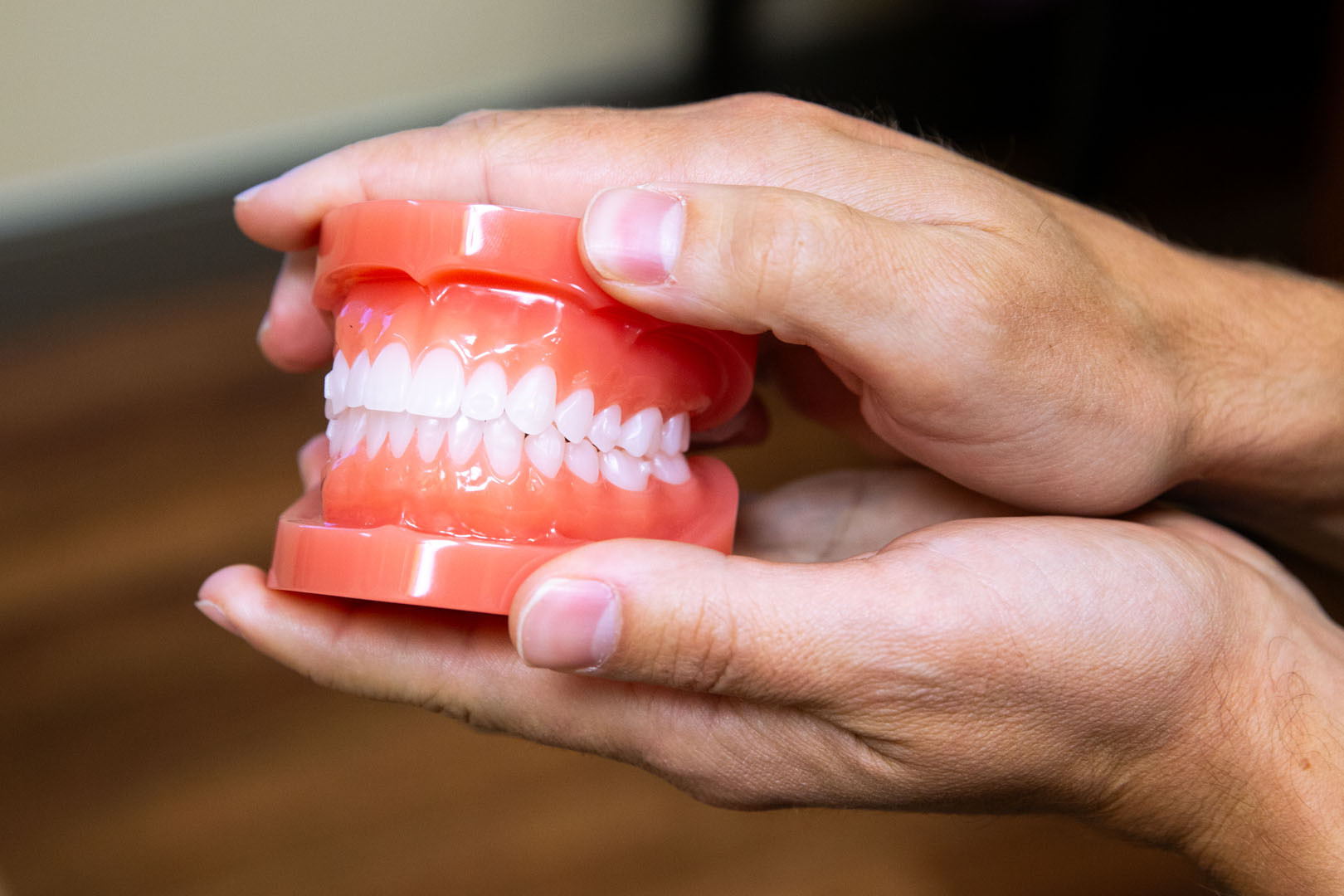
The Connection Between Mental and Dental Health: Why It Matters for El Paso Families
Estimated Reading Time: 6 minutes
- Understand the bidirectional impact of mental and dental health.
- Recognize the role of self-care in maintaining good dental hygiene and overall well-being.
- Communicate with healthcare providers about mental health and dental health.
- Be aware of medication side effects that can affect oral health.
Table of Contents
- Understanding the Bidirectional Impact of Mental and Dental Health
- Quality of Life and the Role of Self-Care
- Medication Side Effects and Oral Health Challenges
- Orofacial Symptoms: Stress and Anxiety
- Dietary Choices and Mental Well-Being
- The Link Between Oral Health and Cognitive Decline
- Common Dental Conditions Linked to Mental Health
- Taking Action: Prioritizing Integrated Care and Prevention
- Conclusion: Elevating Family Health at Redd Road Family Dental
Understanding the Bidirectional Impact of Mental and Dental Health
Research consistently highlights that mental health and dental health have a bidirectional impact. Poor oral health can negatively affect mental well-being, while mental health disorders can lead to neglected oral hygiene and increased dental issues. For instance, individuals suffering from depression often find it challenging to maintain a routine that includes regular brushing and flossing, leading to a cycle of worsening oral health problems. Conversely, dental problems such as tooth decay or gum disease can significantly lower a person’s self-esteem and exacerbate feelings of anxiety and depression.
For families in El Paso, understanding this connection is vital. One study outlines that dental health issues can limit social interactions and contribute to mental health struggles, underscoring the importance of ensuring good oral hygiene practices from an early age.
Quality of Life and the Role of Self-Care
Poor dental health can severely affect one’s quality of life. Children and adults alike can feel embarrassed or ashamed of their smile, potentially leading to social withdrawal or anxiety. For parents, setting a strong example of dental hygiene can break this cycle. One approach is to introduce kids to fun brushing habits, ensuring they understand the importance of dental health from an early age.
Mental health challenges, particularly those associated with conditions like depression and anxiety, frequently lead to self-care difficulties. Individuals may not have the energy or motivation to maintain regular dental hygiene routines, making them susceptible to cavities, gum disease, and more.
Medication Side Effects and Oral Health Challenges
Interestingly, several psychiatric medications—especially antidepressants and antipsychotics—can cause dry mouth (xerostomia), which reduces saliva flow that helps neutralize harmful bacteria in the mouth. This condition significantly increases the risk of cavities and gum disease. It is vital for patients taking psychiatric medication to communicate with their dentist about these side effects and explore options to mitigate their impact.
Orofacial Symptoms: Stress and Anxiety
Stress and anxiety can contribute to dental challenges, manifesting in habits such as teeth grinding (bruxism) or jaw clenching. These behaviors commonly lead to chronic pain, headaches, and tooth damage. Recognizing signs of these habits early can help individuals manage them more effectively, potentially by seeking support from both mental health professionals and dental care providers.
Dietary Choices and Mental Well-Being
Our food choices often reflect our mental state. Individuals struggling with mental health issues may gravitate toward sugary comfort foods, further harming their dental health. Meanwhile, conditions like eating disorders can have devastating effects on both dental and general health. As part of a holistic approach to health, families should be encouraged to adopt healthy eating patterns that support both mental and dental well-being.
The Link Between Oral Health and Cognitive Decline
Research has further established a connection between poor oral health and cognitive decline. For example, gum disease and tooth loss may heighten the risk of conditions like dementia. For older adults, maintaining good oral care is imperative, especially for those with cognitive impairments who often struggle to keep up with daily dental routines.
Common Dental Conditions Linked to Mental Health
Several dental conditions arise more frequently in individuals with mental health conditions:
- Cavities and Tooth Decay: Neglect and unhealthy dietary habits increase cavity prevalence in those facing mental health struggles.
- Gum Disease (Periodontitis): Linked to systemic inflammation and can worsen mental health due to its physical manifestations and pain.
- Dry Mouth (Xerostomia): Frequently caused by psychiatric medications, leading to increased dental problems.
- Teeth Grinding (Bruxism): Often triggered by anxiety or certain medications, leading to considerable dental and jaw issues.
Taking Action: Prioritizing Integrated Care and Prevention
To protect both mental and dental health, integrated care models that involve dental and mental health professionals are critical, especially for individuals at risk for disorders in either area. Here are key takeaways for families and individuals:
- Maintaining Good Mental Health: Positive mental health practices can protect oral health and vice versa. Encourage family members to discuss their mental health openly and seek help if needed.
- Be Aware of Medication Side Effects: If taking psychiatric medication, be proactive in discussing potential oral health impacts with your dentist.
- Address Self-Care Barriers: With support from healthcare providers, manage anxiety and barriers affecting your ability or willingness to maintain good dental hygiene practices.
- Communicate with Your Healthcare Providers: Discuss both dental and mental health concerns openly. At Redd Road Family Dental, we understand the importance of this dialogue and are here to help you navigate your dental health in tandem with any mental health challenges you may face.
Conclusion: Elevating Family Health at Redd Road Family Dental
At Redd Road Family Dental, we believe in an integrated approach to health. Our family dental clinic in El Paso, TX, focuses on creating a welcoming and supportive environment for families. We encourage open discussions about both dental and mental health, ensuring that our patients feel comfortable addressing all their healthcare needs.
Call to Action
Make the commitment to prioritize both your mental and dental health today! Schedule an appointment with our caring team and explore how we can support your family’s unique dental needs. Together, let’s take proactive steps toward a brighter, healthier future for your smiles and your well-being!
For more tips on maintaining good oral health in connection with mental wellness, feel free to contact us at Redd Road Family Dental. Let’s work together to ensure your family’s smiles shine bright!