
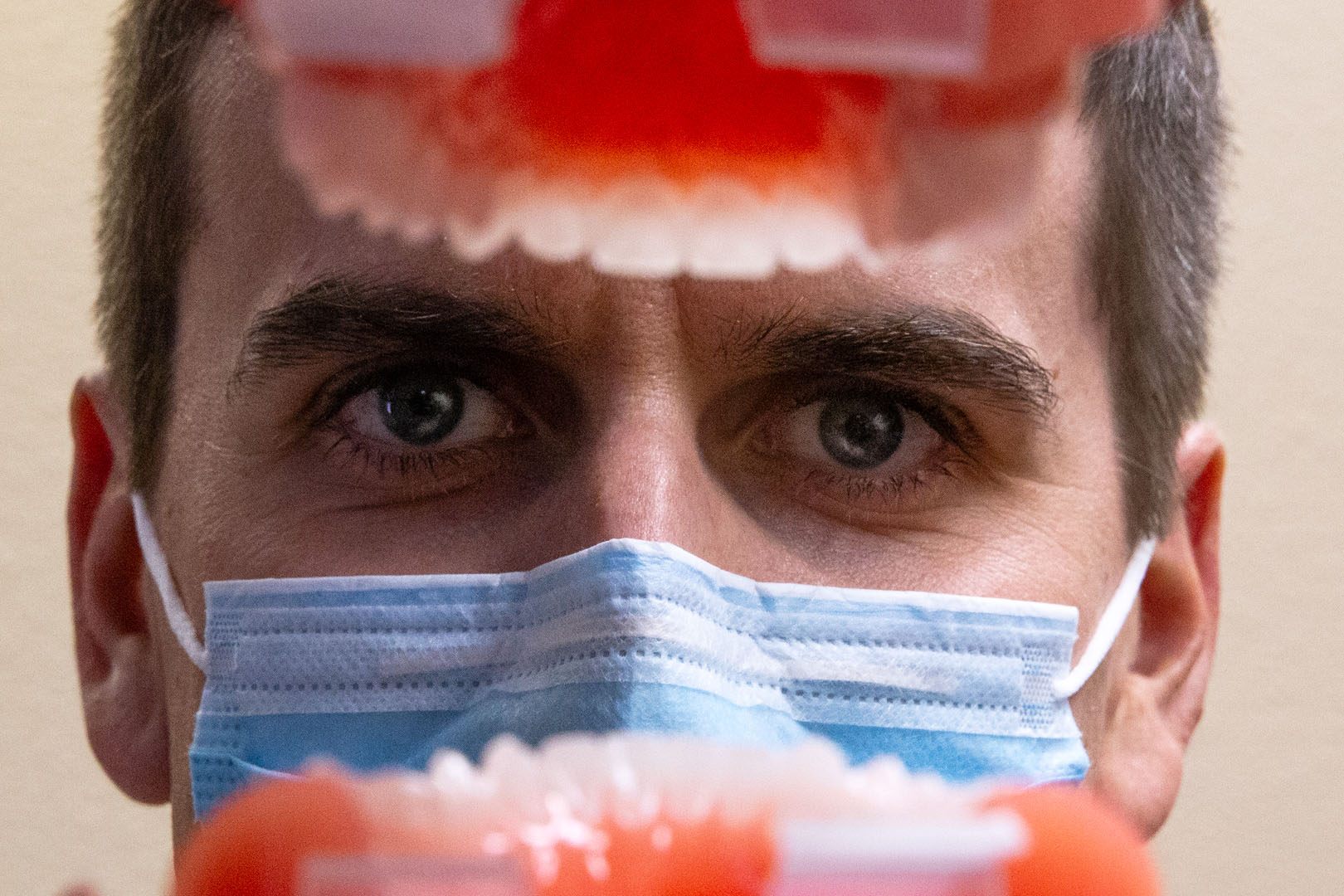
How Stress Affects Your Oral Health
Estimated Reading Time: 5 minutes
- Stress can lead to various oral health issues, including bruxism and gum disease.
- Symptoms to watch for include tooth sensitivity and bleeding gums.
- Practical steps can be taken to maintain oral health even during stressful times.
- Regular dental check-ups are essential for early detection and intervention.
Table of Contents
- Understanding the Link Between Stress and Oral Health
- Teeth Grinding and Clenching (Bruxism)
- Gum Disease (Periodontal Disease)
- Canker Sores and Mouth Ulcers
- Poor Oral Hygiene
- Dry Mouth (Xerostomia)
- Unhealthy Coping Behaviors
- Recognizing the Symptoms
- Practical Steps to Protect Your Oral Health Under Stress
- Emphasizing the Importance of Oral Health
- Call to Action
Understanding the Link Between Stress and Oral Health
Research has shown that stress can significantly impact your oral health by triggering both physical habits and physiological changes that increase the risk of dental and gum problems, affecting both the teeth and soft tissues in your mouth (Cigna). Here, we break down some major ways stress influences oral health, alongside practical ways to mitigate these effects.
1. Teeth Grinding and Clenching (Bruxism)
One of the most significant effects of stress is bruxism—unconscious teeth grinding or jaw clenching that often occurs during sleep or moments of anxiety. This habit can lead to:
- Worn down, chipped, or fractured teeth: The excessive pressure causes irreversible damage.
- Tooth pain and sensitivity: This is often the first sign of bruxism.
- Jaw pain and stiffness: Continuous tightening of jaw muscles leads to discomfort.
- Headaches: Chronic tension headaches are common among those who grind their teeth.
- Increased risk of temporomandibular joint (TMJ) disorders: A condition that causes pain in the jaw and might require specialized treatment (Cigna), (Ginger Creek Dental).
2. Gum Disease (Periodontal Disease)
Elevated stress levels can suppress your immune system, making it harder for your body to fend off infections. This increases your susceptibility to gum disease, characterized by swollen and bleeding gums. In severe cases, it can lead to tooth and bone loss (Ginger Creek Dental), (PMC).
3. Canker Sores and Mouth Ulcers
Stress is a well-known trigger for canker sores and might also contribute to the outbreak of cold sores. These sores can make eating and speaking uncomfortable, often taking longer to heal when your stress levels are high (Cigna), (CU Anschutz).
4. Poor Oral Hygiene
Stress can interfere with your daily routines, leading many to neglect proper oral hygiene practices. When brushing and flossing become less of a priority, the risk of tooth decay and oral infections increases (Cigna), (Perio Center).
5. Dry Mouth (Xerostomia)
Stress and anxiety can reduce saliva production, leading to dry mouth. Saliva is essential for neutralizing acids and cleaning the mouth, thereby playing a significant role in protecting against cavities, gum disease, and bad breath (Ginger Creek Dental), (Townsend Dental Group).
6. Unhealthy Coping Behaviors
Some individuals cope with stress by indulging in unhealthy habits, such as increased consumption of sugary snacks and drinks, tobacco, or alcohol. These habits lead to an elevated risk of tooth decay, gum disease, and oral cancer (Head Start), (Perio Center).
Recognizing the Symptoms
Awareness of the symptoms related to stress-induced oral health problems is crucial. Keep an eye out for:
- Tenderness or soreness in your jaw, headaches, or facial pain.
- Worn or sensitive teeth.
- Unexplained sores or ulcers in your mouth.
- Bleeding gums.
- Persistent dry mouth.
- Increased instances of cavities.
Practical Steps to Protect Your Oral Health Under Stress
While stress is often unavoidable, managing its effects on your oral health is essential. Here are some practical steps you can take:
- Maintain diligent brushing and flossing: Even during stressful times, prioritize your dental routines to avoid plaque buildup and decay.
- Manage your stress levels: Engage in relaxation techniques, regular exercise, and get plenty of sleep. Activities like yoga and meditation can be particularly helpful (CU Anschutz).
- Avoid using tobacco and limit sugary snacks and drinks that can contribute to tooth decay.
- Consider using a mouthguard if you find yourself grinding or clenching your teeth at night.
- Stay hydrated: Drinking water helps promote saliva production and combats dry mouth.
- Schedule regular check-ups: Visiting your family dentist can help catch any emerging problems early on, allowing for timely intervention (Cigna), (Townsend Dental Group).
Emphasizing the Importance of Oral Health
Maintaining oral health is an essential component of overall wellness, particularly during stressful times. It’s crucial to remember that the mind-body connection plays an integral role in our well-being. Stress management is not just beneficial for your mental health; it’s vital for keeping your smile bright and healthy.
Call to Action
At Redd Road Family Dental, we are dedicated to helping you combat the effects of stress on your oral health through comprehensive care and personalized advice. Whether your family needs a kids dentist in El Paso, or you’re looking for teeth whitening procedures, our experienced team is here to help.
Explore our services today or contact us for more information on how we can assist you in achieving and maintaining excellent oral health. Let’s keep those smiles healthy and bright, regardless of life’s stresses!
By adhering to these strategies and working alongside our dedicated staff at Redd Road Family Dental, you can successfully navigate the challenges posed by stress and maintain optimal oral health. Remember, you’re not alone in this journey—reach out for support and guidance whenever you need!